
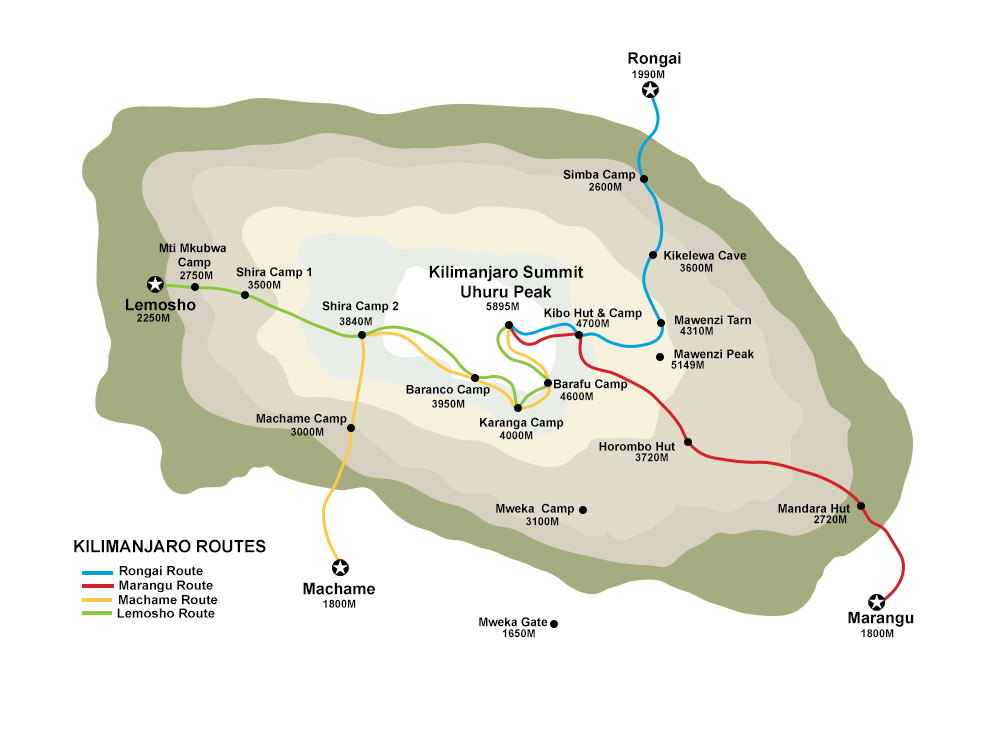
The Marangu Route is the only route offering hut accommodation, making it a more comfortable and straightforward option for climbers.
If you have opted for the optional airport transfers, we will pick you up from Kilimanjaro Airport or Arusha airport and transfer you to your hotel in Moshi.
Pre-trek briefing at your hotel. You should be planning to arrive atleast one day before the start of the trek. Today we will spend in having a pre-trek briefing. We will also review your equipment and rent any equipment which is needed.
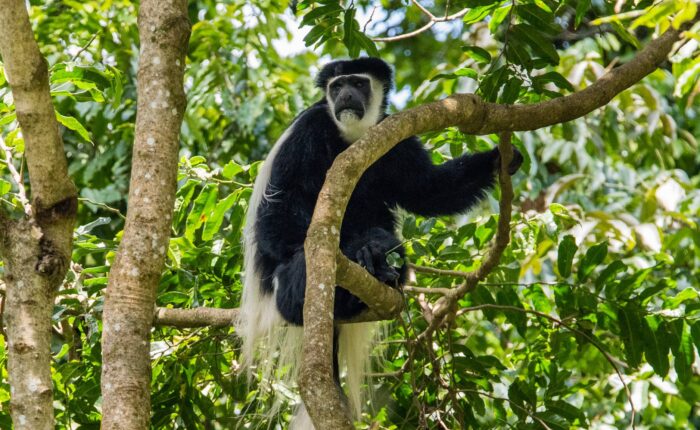
After breakfast and briefing, drive to the Kilimanjaro National Park Gate (about 1 hour), register and commence the climb. Walk through the rainforest to the Mandara encampment. A side trip to Maundi Crater is a good way to see the surroundings including Northern Tanzania and Kenya. In the rainforest, look for towering Eucalyptus trees, bird life, and Colobus monkeys.
Elevation: 1860m/6100ft to 2700m/8875ft
Distance: 8km/5mi
Hiking Time: 3-4 hours
Habitat: Montane Forest
Meals: Lunch and Dinner
You leave the glades of the rain-forest and follow an ascending path on the open moorlands to the Horombo encampment. Views of Mawenzi and the summit of Kibo are amazing. Look for giant lobelias and grounsels. You may begin to feel the affects of the altitude.
Elevation: 2700m/8875ft to 3700m/12,200ft
Distance: 12km/7.5mi
Hiking Time: 5-6 hours
Habitat: Heathland
Meals: Breakfast, Lunch and Dinner
Rest day at Horombo Hut with optional hike by Mawenzi Peak.
Elevation: 3700m/12,200ft
Distance: 0km/0mi
Hiking Time: 0 hours
Habitat: Heathland
Meals: Breakfast, Lunch and Dinner
Ascending, we now pass the last watering point, walking onto the saddle of Kilimanjaro between the peaks of Kibo and Mawenzi. Vegetation begins with upper heathland but then disappears into “moonscape”. Dinner, rest, and prepare for summit climb.
Elevation: 3700m/12,200ft to 4700m/15,500ft
Distance: 9km/5.5mi
Hiking Time: 5-6 hours
Habitat: Alpine Desert
Meals: Breakfast, Lunch and Dinner
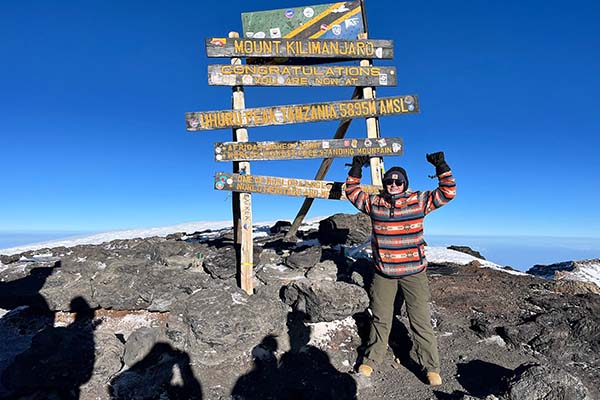
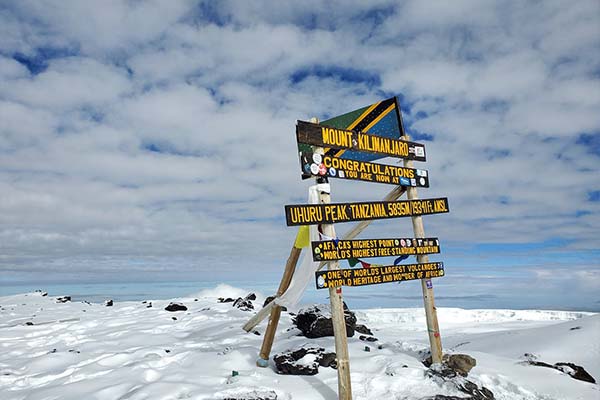
Very early in the morning (midnight to 2 am), commence the climb to the summit on steep and heavy scree or snow up to Gilman’s point located on the crater rim. Continuing, we now ascend to Uhuru Peak, which is the highest point in Africa. There are unbelievable views at every turn. Have your picture taken at the summit to show your friends and family. From here we descend, stopping for lunch and a rest at Kibo before continuing on to the Horombo encampment.
Elevation: 4700m/15,500ft to 5895m/19,340ft
Down to 3700m/12,200ft
Distance: 6km/4mi up / 15km/9mi down
Hiking Time: 6-8 hours up / 6-8 hours down
Habitat: Alpine Desert
Meals: Breakfast, Lunch and Dinner
After breakfast, a steady descent takes us down through moorland to the Mandara Hut. Continue descending through lush forest path to the National Park gate at Marangu. At lower elevations, it can be wet and muddy. Gaiters and trekking poles will help. Shorts and t-shirts will probably be plenty to wear (keep rain gear and warmer clothing handy).
A vehicle will be waiting for you at Marangu gate to drive you back to your hotel in Moshi (about 1 hour).
Elevation: 3700m/12,200ft to 1700m/5500ft
Distance: 20km/12.5mi
Hiking Time: 4-5 hours
Habitat: Forest
Meals: Breakfast
Still have more questions? Please visit our full Kilimanjaro FAQ guide
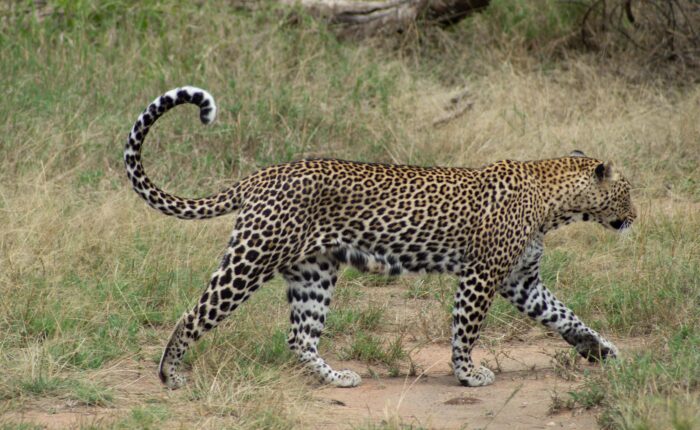
⏱️ Duration: 6 Days
📍 Tarangire • Manyara • Serengeti • Ngorongoro
👥 Max: 6–7 people per vehicle
📅 Availability: Daily – book in advance
🎯 Best for: Small group & budget travelers
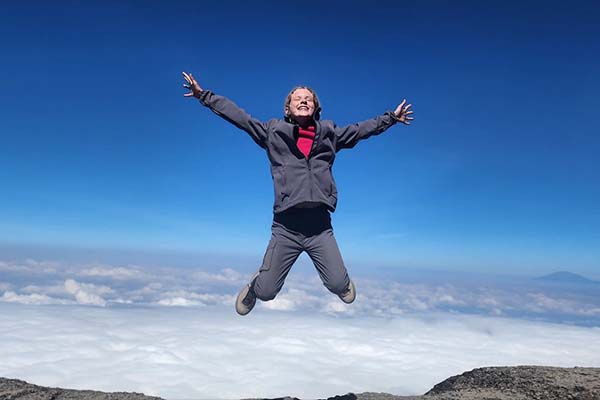
Wild, quiet, and breathtaking with excellent acclimatization.
⛰️ Difficulty: Moderate
📈 Success Rate: 90–95%
⏱️ Duration: 7–8 days
🎯 Best for: First-timers wanting high success & fewer crowds
Remote and peaceful with a drier northern approach.
⛰️ Difficulty: Moderate
📈 Success Rate: 80–85%
⏱️ Duration: 6–7 days
🎯 Best for: Quiet climbs & rainy season
4 Days 3 Nights
Beatiful view of Jungfrau
Alpine Resort by Lake Thun
Hiking at Engadin
Zygtlogge Tower
⏱️ Duration: 4 Days
📍 Tarangire • Serengeti • Ngorongoro
👥 Max: 6–7 people per vehicle
📅 Availability: Daily – book in advance
🎯 Best for: Small group & budget travelers
Bold, scenic, and rewarding—Kilimanjaro’s most popular trail.
⛰️ Difficulty: Moderate–Challenging
📈 Success Rate: 85–90%
⏱️ Duration: 6–7 days
🎯 Best for: Adventurous first-timers & scenic lovers
⏱️ Duration: 3 Days
📍 Tarangire • Ngorongoro Crater • Lake Manyara
👥 Max: 6–7 people per vehicle
📅 Availability: Daily – book in advance
🎯 Best for: Small group & budget travelers
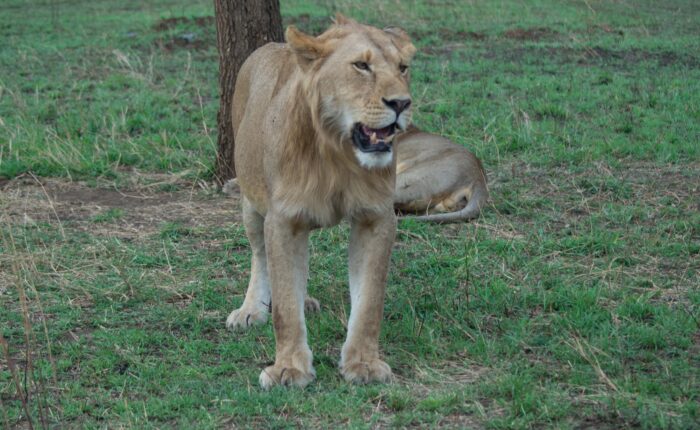
⏱️ Duration: 5 Days
📍 Lake Manyara • Tarangire • Serengeti • Ngorongoro
👥 Max: 6–7 people per vehicle
📅 Availability: Daily – book in advance
🎯 Best for: Small group & budget travelers
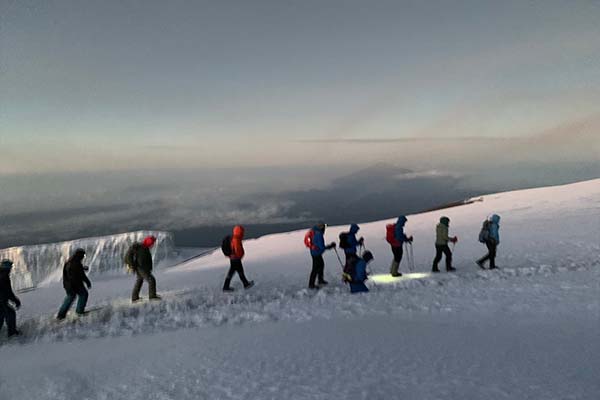
The ultimate journey—long, quiet, and highly successful.
⛰️ Difficulty: Moderate
📈 Success Rate: 95–98%
⏱️ Duration: 8–9 days
🎯 Best for: Maximum success & full mountain experience
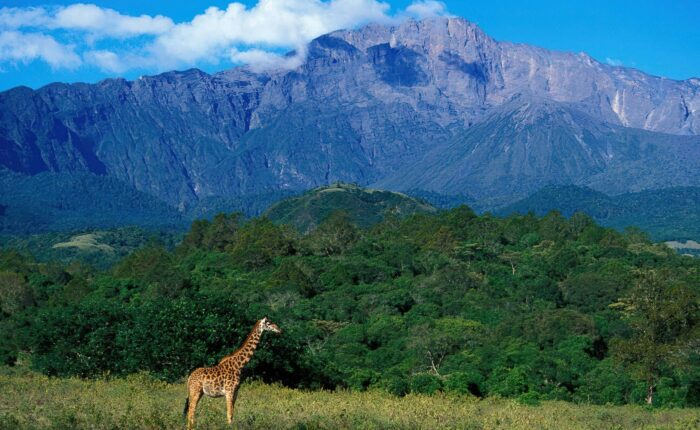
4 Days 3 Nights
Beatiful view of Jungfrau
Alpine Resort by Lake Thun
Hiking at Engadin
Zygtlogge Tower
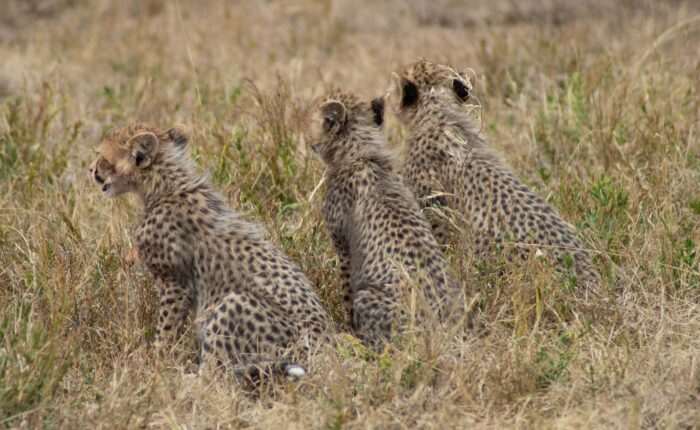
4 Days 3 Nights
Beatiful view of Jungfrau
Alpine Resort by Lake Thun
Hiking at Engadin
Zygtlogge Tower
⏱️ Duration: 4 Days
📍 Tarangire • Serengeti • Ngorongoro
👥 Max: 6–7 people per vehicle
📅 Availability: Daily – book in advance
🎯 Best for: Small group & budget travelers
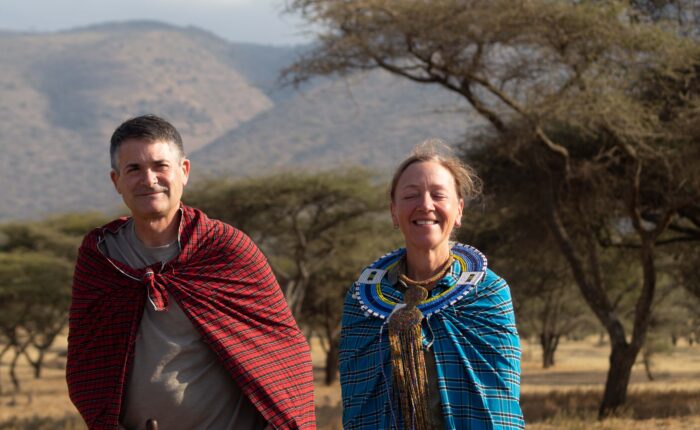
A quick escape into Tanzania’s most diverse landscapes.
📍 Parks: Ngorongoro Crater, Tarangire, Lake Manyara
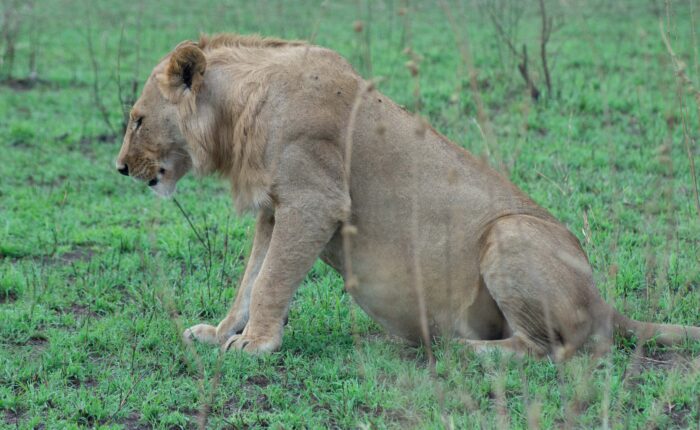
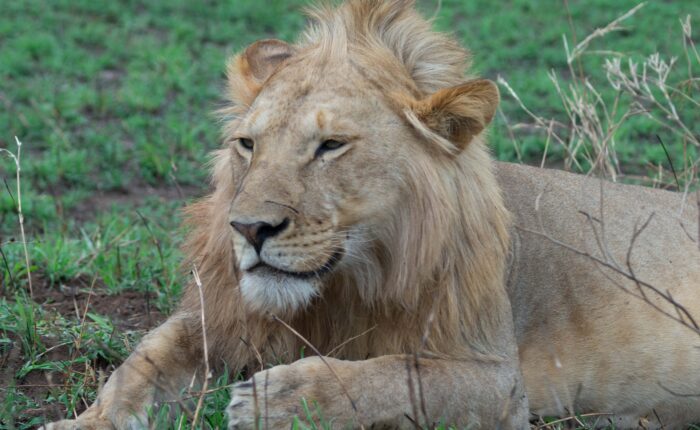
🦁 Experience: Elephants, tree-climbing lions & crater wildlife
🏨 Style: Midrange Lodges
🎯 Best for: Short trips & budget-conscious travelers
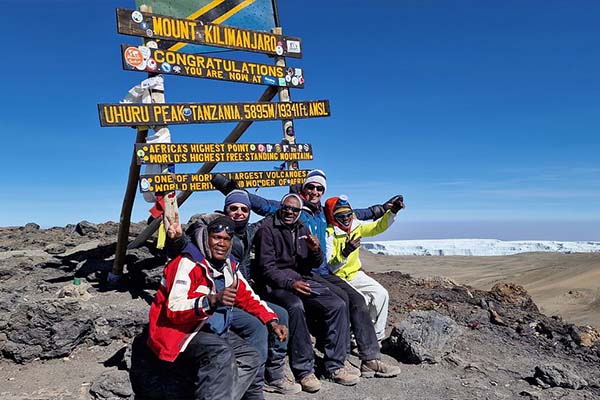
Bold, scenic, and rewarding—Kilimanjaro’s most popular trail.
⛰️ Difficulty: Moderate–Challenging
📈 Success Rate: 85–90%
⏱️ Duration: 6–7 days
🎯 Best for: Adventurous first-timers & scenic lovers
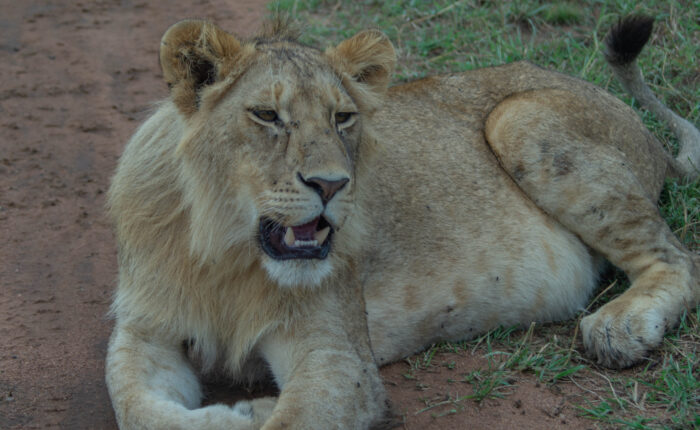
The perfect balance of time, wildlife, and comfort.
📍 Parks: Serengeti, Ngorongoro, Tarangire
🦁 Experience: Big Five & endless Serengeti plains
🏨 Style: Midrange Lodges & Tented Camps
🎯 Best for: First-time safari with strong wildlife focus